
Masonry Restored to Its Original Appearance
Efflorescence & Calcite Removal in Columbia for white mineral deposits on brick, block, and stone surfaces
White powdery or crusty deposits on brick and concrete signal that water is moving through the masonry and carrying dissolved minerals to the surface. Efflorescence appears as a loose powder that brushes off temporarily, while calcite forms as a harder, bonded crust that requires chemical treatment to remove. The Real Dill Exterior Cleaning provides efflorescence and calcite removal in Columbia for retaining walls, chimneys, foundations, and exterior masonry features affected by these mineral stains. Both conditions share the same root cause—moisture intrusion—but they require different removal approaches based on how firmly the deposits have bonded to the surface.
The cleaning process uses specialized products formulated to dissolve calcium carbonate and other mineral deposits without damaging the masonry. Calcite removal requires stronger solutions and longer dwell times than efflorescence, since the deposits have crystallized into a harder layer.
Schedule an inspection to identify whether your masonry shows efflorescence or calcite and determine the appropriate treatment.
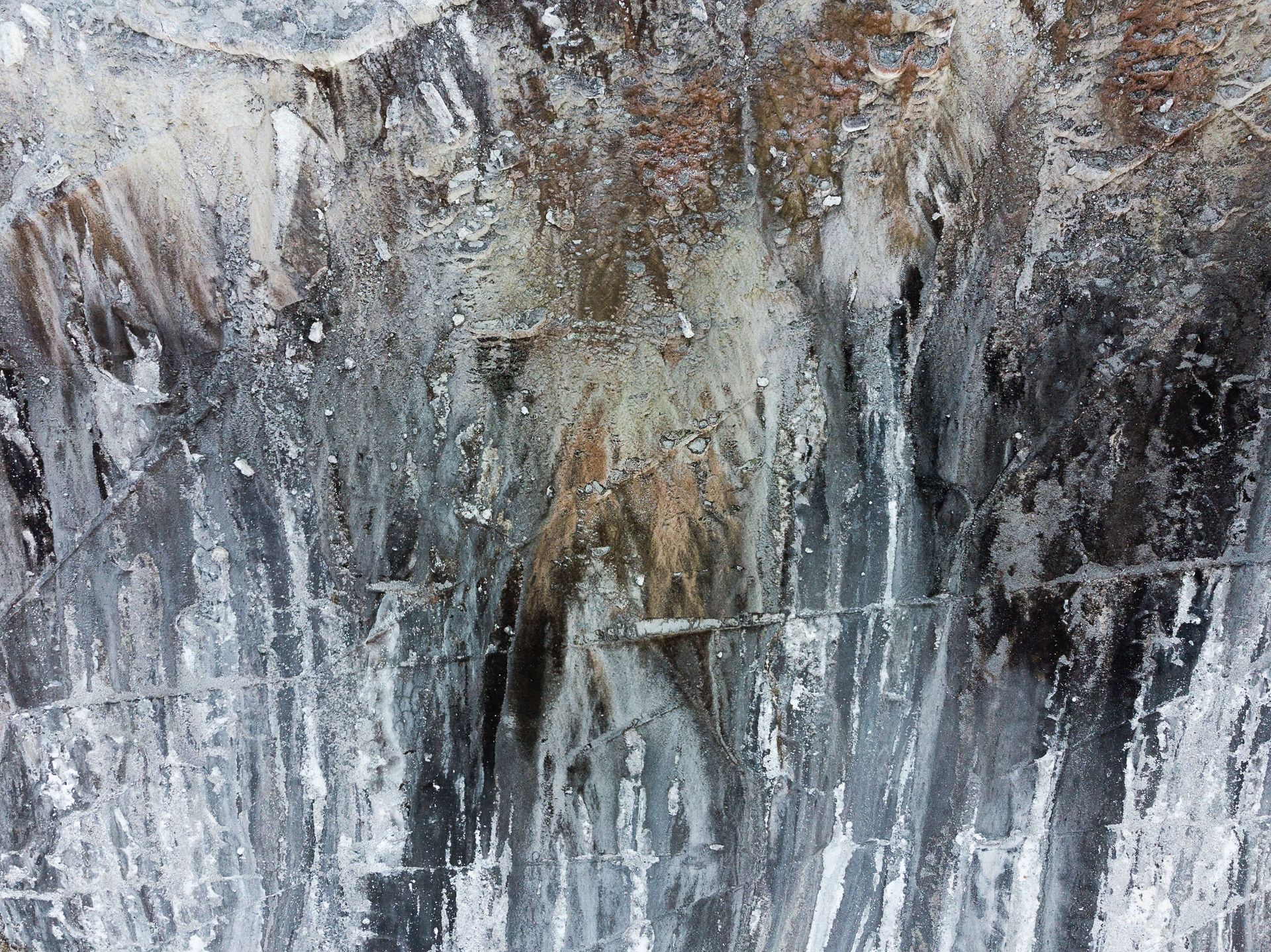
Why Moisture Contributes to Recurring Mineral Deposits
Mineral deposits form when water moves through masonry, dissolves salts and minerals from within the material, and then evaporates at the surface, leaving the minerals behind. Efflorescence develops when water movement is minimal and deposits remain loose. Calcite forms when repeated wetting and drying cycles cause minerals to harden into a bonded layer. The pattern and location of deposits often reveal where water is entering the masonry.
After removal, the masonry returns to its original color and texture, with white deposits no longer obscuring the brick, block, or stone. The surface looks uniform again rather than streaked or crusted with mineral buildup. You'll notice that retaining walls, chimneys, and foundation areas appear cleaner and better maintained once the discoloration is gone.
Because moisture drives recurrence, addressing drainage issues or water intrusion points reduces future buildup. Masonry that continues to stay wet will develop new deposits over time, so maintenance and moisture control work together to keep surfaces clear.
What Property Owners Usually Ask
Understanding the difference between efflorescence and calcite helps property owners recognize what's happening on their masonry and what treatment involves.
What's the difference between efflorescence and calcite?
Efflorescence is a loose, powdery deposit that brushes off easily, while calcite is a hardened, bonded layer that requires chemical treatment to dissolve and remove.
How does removal work without damaging the brick or stone?
Specialized cleaning products target mineral deposits specifically, breaking down calcium carbonate without eroding the masonry surface when applied correctly.
Why do deposits keep returning after cleaning?
Ongoing moisture movement through the masonry continues to carry minerals to the surface, so controlling water intrusion is necessary to reduce recurrence.
Can mineral buildup indicate a bigger problem?
Yes, persistent deposits often signal drainage issues, foundation moisture, or water penetration that should be inspected to prevent structural concerns.
Does Columbia's rainfall pattern affect mineral deposit formation?
Frequent rain and high humidity increase moisture movement through masonry, which accelerates both efflorescence and calcite development on exterior walls and foundations.
The Real Dill Exterior Cleaning removes efflorescence and calcite using products designed for mineral stain removal on masonry. Arrange a service visit to restore your brick, block, or stone surfaces and discuss moisture management to reduce future buildup.