Property Lines That Don't Look Forgotten
Fence Cleaning in Columbia for wood and vinyl fencing with mold stains, algae streaks, and weather discoloration
South Carolina humidity creates ideal conditions for mold and algae growth on fencing that borders wooded areas or receives consistent shade. Wood fences develop gray weathering and green staining as organic matter penetrates the grain. Vinyl fencing shows dark streaks along the bottom rails where soil splashes during rain and mildew spreads across north-facing sections. The Real Dill Exterior Cleaning uses surface-appropriate washing methods to remove algae, mold, mildew, dirt, and weather-related staining from wood and vinyl fencing across Columbia without causing splintering, warping, or finish damage that shortens fence lifespan.
The cleaning approach changes based on fence material—wood receives gentler pressure and moisture-balancing solutions that clean without raising grain, while vinyl tolerates stronger treatments that dissolve bonded dirt and oxidation. Both methods eliminate the organic growth and discoloration that make perimeter fencing look older than its actual age.
Arrange an on-site consultation to assess your fence condition and determine the cleaning method that restores appearance without compromising structural integrity.
What Cleaning Accomplishes Beyond Appearance
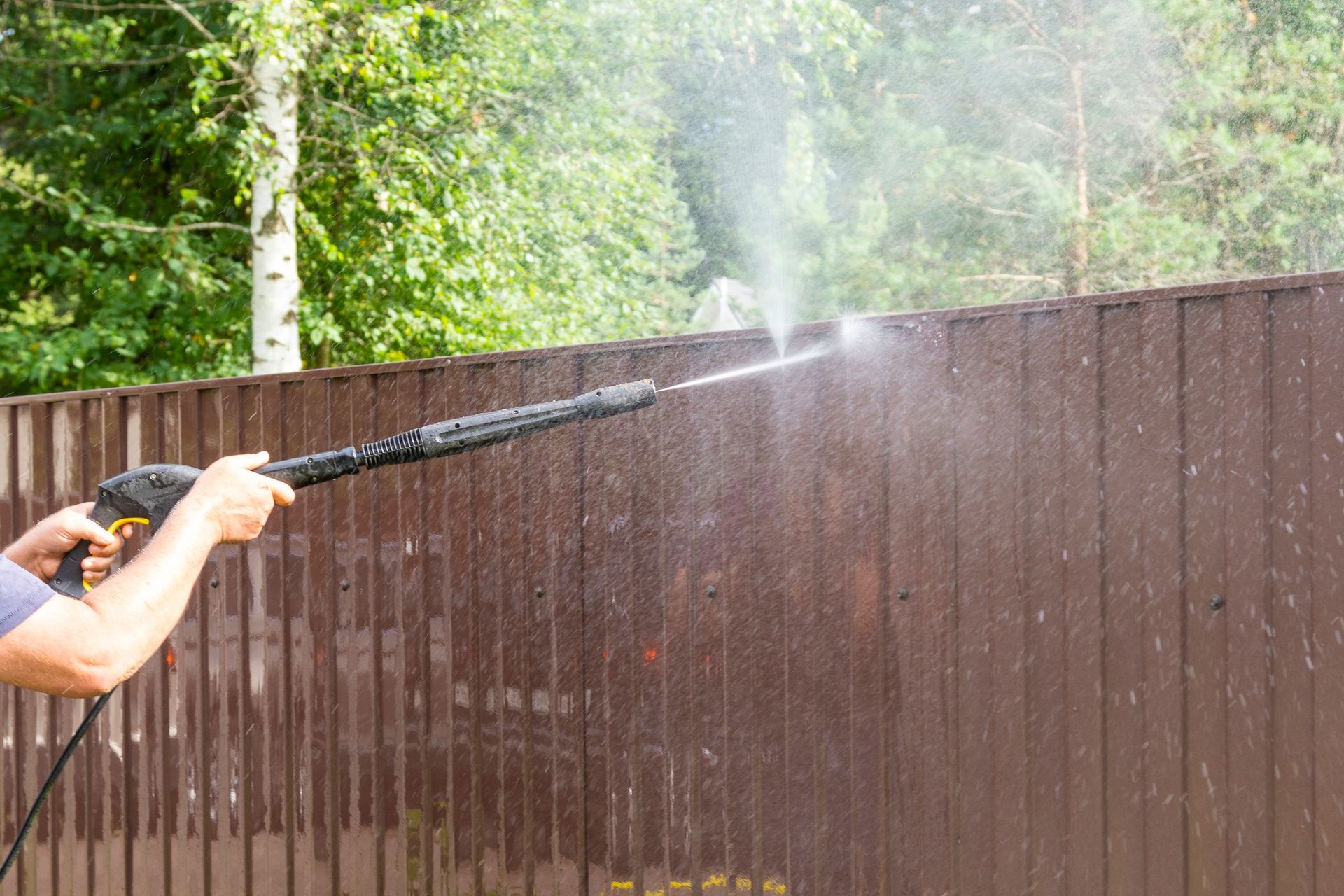
Wood fence cleaning removes the mold and mildew that accelerate wood decay, while also preparing the surface for sealing or staining when homeowners plan to apply protective finishes. Clean wood accepts stain more evenly and allows better penetration of sealants that prevent moisture intrusion. Vinyl cleaning restores the original color and removes the chalky oxidation that develops on sun-exposed panels.
The Real Dill Exterior Cleaning targets the organic buildup that discolors fencing and creates conditions for long-term material breakdown. After treatment, fences show consistent color across all panels instead of the patchy appearance caused by uneven algae coverage. Wood surfaces return to their natural tone rather than the blackened areas where mold colonies established themselves, and vinyl loses the dull gray cast that comes from accumulated dirt and oxidation.
Fence cleaning improves overall property appearance by eliminating the contrast between clean siding and stained perimeter fencing. Including fence restoration in complete exterior maintenance creates visual consistency across the entire property, and regular cleaning prevents the permanent staining that occurs when organic growth remains untreated for multiple seasons.
What People Ask About Fence Restoration
Fence cleaning involves considerations about material compatibility, preparation for finishing, and maintenance timing. These answers clarify what the process includes and what results to expect in the Columbia area.
What causes green staining on wood fences?
Algae spores settle on damp wood surfaces and colonize in the grain, creating green to black discoloration that spreads across boards and accelerates wood decay when left untreated in humid climates.
How does fence cleaning prepare wood for staining?
Removing dirt, mold, and old finish residue allows new stain to penetrate evenly into wood fibers rather than sitting on top of contaminated surfaces, which improves adhesion and extends finish durability.
When should vinyl fences be cleaned?
Annual cleaning prevents the buildup of oxidation and bonded dirt that becomes harder to remove over time, with spring or fall offering the best conditions for thorough treatment and drying.
Does cleaning damage pressure-treated wood?
Proper cleaning uses controlled pressure and appropriate solutions that remove contaminants without splintering boards, raising grain excessively, or stripping the pressure-treatment chemicals that protect against rot and insects.
How long does fence cleaning take?
Treatment time depends on linear footage and fence condition, but most residential perimeter fences can be cleaned in a single day, with wood requiring slightly longer drying time before applying new finishes.
The Real Dill Exterior Cleaning evaluates fence material, current staining levels, and any planned refinishing before starting treatment. Contact our team at (803) 586-1200 to discuss your fence cleaning needs and schedule service that restores your property's perimeter without causing material damage or unnecessary wear.